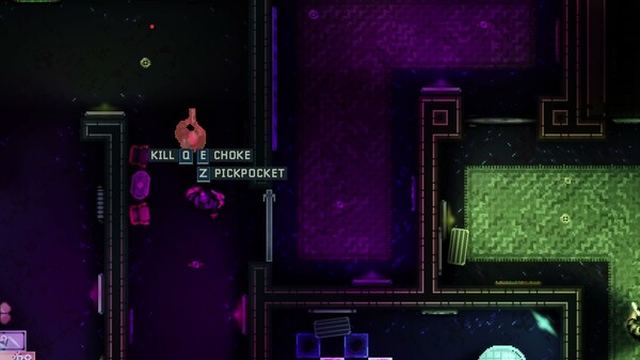
Stealth systems
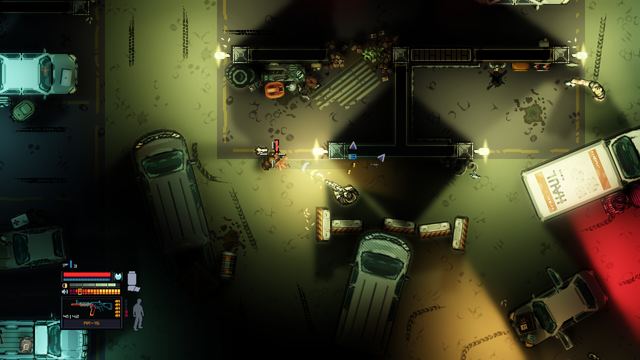
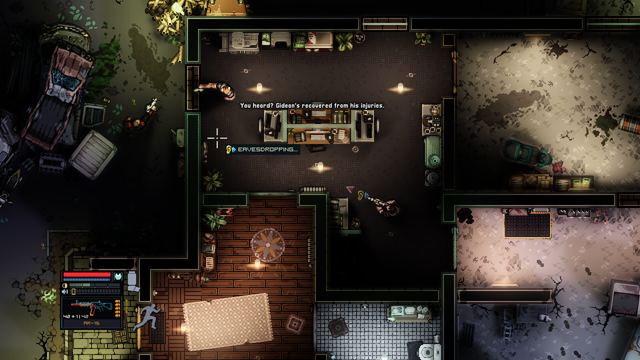
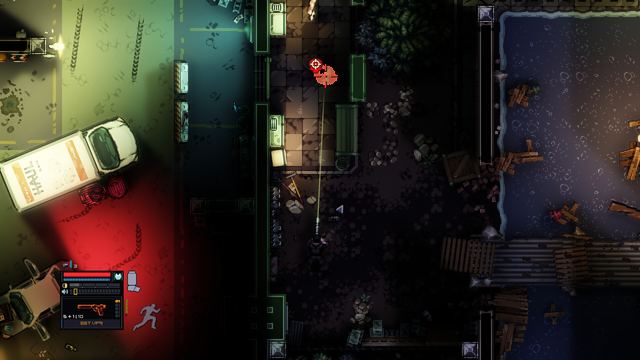
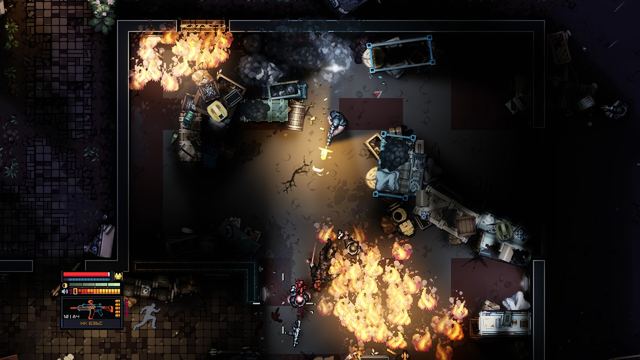
Enemy reaction speed now depends on noise radius, their alert state and accumulated stress. Loud far noise pulls guards to a general area, not your exact position.
Intravenous 3 rebuilds how enemies hear you. Instead of the instant, robotic reactions of the first game, reaction speed is now a calculation with three inputs: how loud the noise is, what state the enemy is in, and how stressed they already are. Understanding that formula is understanding the game.
The three-factor noise model
The developer laid the system out in Devlog #1 ("Enemy Reactions", July 17, 2026). When you make a sound an enemy can hear, the time until they react depends on:
| Factor | What it means | Practical effect |
|---|---|---|
| Noise radius | How far the sound carries; quieter actions radiate less | A soft footstep buys you much more reaction time than a door slam |
| Enemy alertness | Relaxed, suspicious, alert or in combat | Relaxed guards react slowly; a guard already in combat reacts instantly |
| Enemy stress | Accumulated "pressure" from every noise and sighting | High stress can override the other two factors entirely |
The stress meter is the one to internalize: it has existed since the first game, but Intravenous 3 finally plugs it into reaction speed. Every sound they hear and every glimpse they catch of you winds them up. An enemy can be calm-but-stressed — standing still, weapon half-raised, reacting like they expected you. The quieter your run, the slower the whole building moves.
Loud noise no longer snitches on you
The second big change fixes the most common complaint about the first two games: firing a gun deep inside a building used to tell every enemy your exact position, no matter the distance.
In Intravenous 3, loud and distant noise still alerts enemies — but they only learn the general area the sound came from, not the exact spot. Blast a room and the guards will sweep toward that block; they will not beeline to your doorway. The developer's own framing: it grants more leeway for escapes, and lets you use loud noise offensively — pulling enemies out of position, spreading them thinner than they would ever spread themselves.
Read together with the reaction model, the two changes stack. Sound is now a resource you spend: a thrown distraction far away buys seconds here, and a shotgun blast in the wrong wing relocates a search party instead of ending your run.
Old rules that still apply
Borderline and the full game inherit series fundamentals, so the classics from Intravenous 1 and 2 are still true:
- Light is visibility. Your profile depends on how lit your position is — shoot out lights, flip breakers, stay in the dark (a series staple since the first game's "your visibility depends on how well-lit the environment is").
- Every step makes noise. Movement itself is a sound event; sprinting, walking and prone-crawling are three different volumes.
- Distractions work. Throwing bottles, imitating voices, triggering gadgets — the toolbox has grown, not changed direction.
Enemies that think in groups
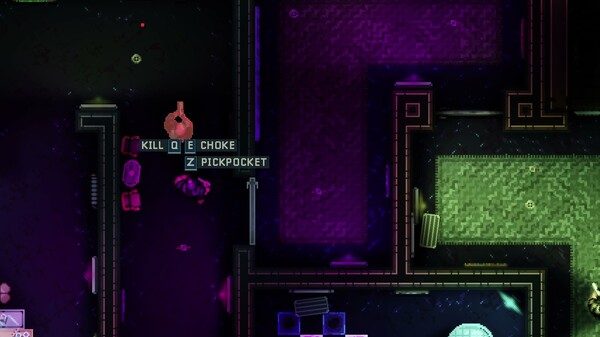
The full Intravenous 3 store page adds the layer above the individual guard: enemies "investigate disturbances, coordinate in groups, guard key areas together, and force you to adapt when the situation starts to unravel". The playtest ran this at scale — over 5,000 players stress-testing how the systems hold up — and the studio says it fixed 100+ bugs from that feedback before Borderline ships.
What is not public: exact reaction times in seconds, noise radii per action, or stress decay rates. The developer described the model qualitatively and did not publish tables. We will not invent numbers; when the build is playable we can test them properly.